Thinking about buying a franchise in South Africa in 2026? From fast-food giants and supermarket chains to low-cost service businesses and lifestyle brands, there’s no shortage of opportunities for aspiring entrepreneurs.
But here’s the tricky part: there’s no single “best” franchise.
Some franchises dominate because of sheer size and national recognition. Others succeed because they’re affordable to launch, easier to scale, or more resilient during difficult economic periods. A high-turnover grocery chain may suit one investor perfectly, while another buyer might prefer a lower-cost service business with fewer staff headaches and more flexibility.
That’s why this guide doesn’t rank franchises purely by revenue or store count. Instead, we’ve selected ten standout franchise brands in South Africa based on a combination of:
- brand strength
- growth potential
- operational support
- sector resilience
- accessibility for franchise buyers
- long-term commercial appeal
Tip: You can browse franchise opportunities for sale in South Africa here, or for more information you can also read our Guide to Choosing a Franchise in South Africa.
Quick Comparison: Popular Franchise Types in South Africa
|
Franchise Type |
Typical Investment |
Why Buyers Like Them |
Main Challenge |
|
Fast food |
High |
Strong consumer demand and brand recognition |
Operational intensity |
|
Grocery retail |
Very high |
Recurring customer traffic |
Tight margins |
|
Service franchises |
Low to medium |
Lower startup costs and flexibility |
Building local reputation |
|
Property franchises |
Medium |
Scalable commission-based model |
Market cycles |
|
Beauty & wellness |
Medium |
Loyal customer base |
Staffing and retention |
|
Entertainment & leisure |
High |
Lifestyle and family appeal |
Seasonal demand |
What Makes a Franchise Successful in South Africa?
South Africa’s franchise sector remains one of the country’s most established entrepreneurial ecosystems. According to the Franchise Association of South Africa (FASA), the sector contributes hundreds of billions of rand to the economy annually and spans everything from quick-service restaurants and retail to education, beauty, logistics and property.
At the same time, franchising in 2026 comes with very real challenges. Loadshedding pressures, rising operating costs, tighter consumer spending and staffing complexity mean buyers need to think carefully about which franchise models are genuinely sustainable.
The best franchise opportunities usually combine several qualities: strong operational systems, realistic margins, good training, adaptable business models and enough consumer demand to withstand economic pressure.
South Africa’s most resilient franchise sectors in recent years have generally included:
- quick-service food
- convenience retail
- logistics and courier services
- beauty and wellness
- affordable service-based businesses
Another important shift is the growth of township commerce and community-based retail. Franchise brands that successfully serve emerging middle-class consumers outside traditional malls are increasingly well-positioned.
Now that we’ve looked at what makes a franchise brand successful – let’s dive into some specific brands, and what makes them tick.
1) Chicken Licken
Chicken Licken remains one of South Africa’s strongest homegrown franchise success stories. The brand has built an identity that feels distinctly local, combining bold advertising, strong cultural relevance and deep customer loyalty.
Fast food continues to dominate the South African franchise sector because demand remains consistent even during tougher economic periods. Consumers may cut back on luxury spending, but affordable takeaway food often remains resilient.
Chicken Licken stands out because it has managed to maintain strong brand recognition without losing its South African identity. Its marketing is memorable, its stores are busy and its expansion into metropolitan and township markets continues to create new opportunities.
Opening a Chicken Licken franchise requires significant capital investment, with store setup costs often reaching several million rand depending on format and location. This is not a passive investment either. Fast-food franchises are operationally demanding businesses involving staffing, supply management, food consistency and long operating hours.
For hands-on operators comfortable with high-volume retail environments, however, Chicken Licken remains one of the country’s most commercially interesting food franchise opportunities.
2) Pick n Pay
Retail grocery franchises remain attractive because they benefit from recurring customer demand. Regardless of economic conditions, people still need food, household products and everyday essentials.
Pick n Pay has built one of the largest franchise footprints in South Africa through supermarkets, convenience stores, liquor outlets and clothing formats. The strength of the brand lies in familiarity and infrastructure. Franchisees benefit from established supply chains, operational systems and broad national recognition.
The challenge is that grocery retail is operationally intense and margin-sensitive. Waste control, staffing, inventory management and shrinkage all matter enormously.
That said, Pick n Pay’s continued focus on convenience retail, loyalty programmes and lower-to-middle income consumer segments has helped the business remain highly relevant.
For buyers with strong management skills and substantial capital, grocery retail can still offer long-term stability, particularly in high-traffic community locations.
3) Build It
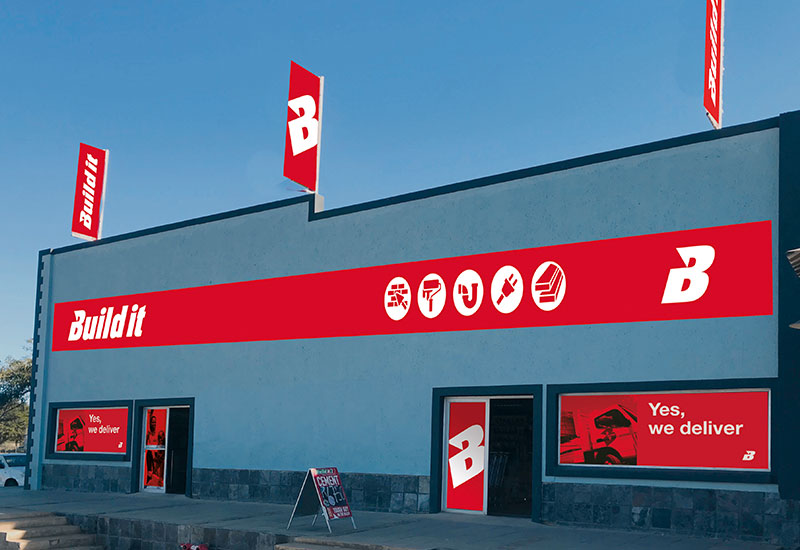
Build It has quietly become one of Southern Africa’s most successful hardware and building materials franchises.
The business benefits from something many franchise sectors struggle with: practical necessity. South Africa’s ongoing demand for construction, maintenance, renovation and DIY projects continues to support hardware retail.
One reason Build It works well as a franchise model is the breadth of products it sells. Franchisees are not dependent on a single category or trend. Instead, stores serve contractors, homeowners, tradespeople and small businesses across multiple purchasing needs.
The franchise also benefits from regional support structures and established supplier relationships, which can make stock management easier for operators.
Compared with food franchises, Build It can offer a more stable operational environment with less staffing volatility and fewer late-night trading pressures.
4) CleanMe
CleanMe represents a very different type of franchise opportunity: lower-cost, service-oriented and operationally lighter than large retail or food businesses.
The brand operates in the automotive cleaning and eco-friendly services space, offering car wash, truck wash and laundry opportunities.
One of the biggest attractions here is accessibility. Entry costs are far lower than major food or grocery franchises, making it more realistic for first-time entrepreneurs.
The business also positions itself well against South African energy concerns by operating independently from heavy electricity reliance, an increasingly important consideration for franchise buyers.
Lower-cost franchises naturally come with different trade-offs. Brand recognition may be weaker than national chains, and owner involvement can still be substantial in the early stages.
However, for entrepreneurs looking for a manageable entry point into franchising without multi-million-rand exposure, service businesses like CleanMe can be attractive.
5) EQ4Kids
Education and child-development franchises occupy an interesting position in South Africa. Even during difficult economic periods, many parents remain willing to invest in opportunities they believe will improve their children’s future.
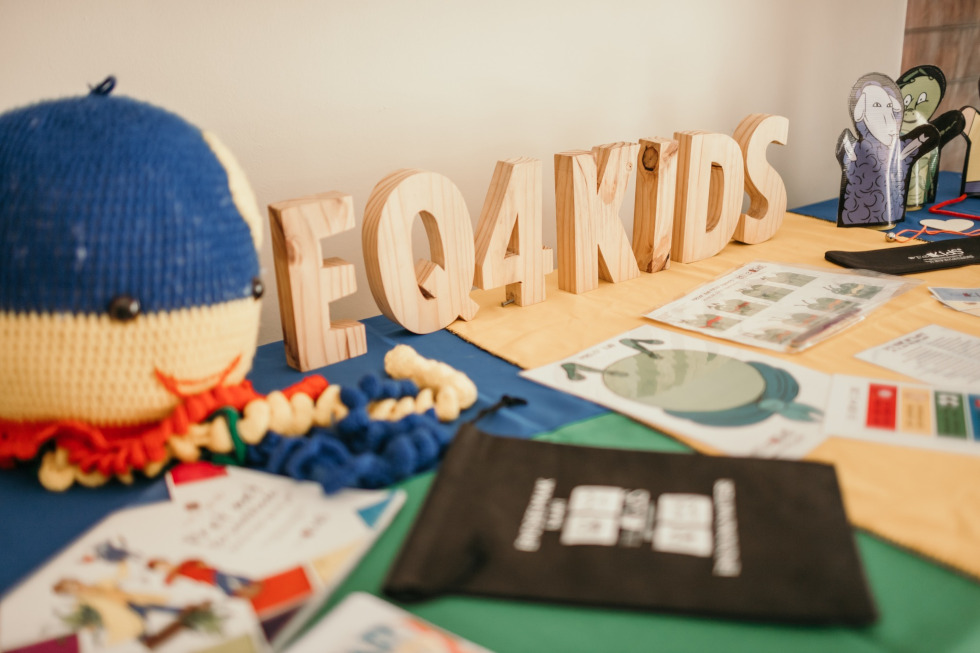
EQ4Kids focuses on emotional intelligence programmes for children, operating within schools and educational environments. Compared with large retail franchises, the model is relatively low-cost and flexible. It may appeal particularly to educators, childcare professionals or parents already involved in the education sector.
What makes this franchise interesting is that it taps into a growing awareness around emotional wellbeing, social development and mental resilience in children.
It also illustrates an important point about franchising: some of the strongest opportunities are not necessarily the loudest or largest brands. Niche service franchises with lower overheads can sometimes provide more manageable operations and stronger lifestyle balance.
6) PostNet
PostNet has benefited enormously from changing consumer and business behaviour in South Africa. As courier demand, e-commerce logistics and small business services have expanded, the company has become one of the country’s most recognisable business-services franchises.
Its success also reflects a broader shift toward convenience and reliability. With the decline of the traditional postal system, businesses and consumers increasingly rely on private logistics providers for printing, shipping, document handling and mailbox services.
One of the strengths of the PostNet model is diversification. Franchisees are not dependent on a single revenue stream. Stores typically combine courier services, printing, packaging and business support under one roof.
Compared with restaurant franchises, the operating model can also be more predictable and less labour-intensive.
For entrepreneurs interested in business services rather than food retail, PostNet remains one of South Africa’s most established and scalable franchise brands.

7) Beauty Express
South Africa’s beauty and wellness sector continues to grow as consumers spend more on personal care, aesthetics and premium beauty products.
Beauty Express has positioned itself as both a retail and distribution opportunity, appealing to entrepreneurs with strong community networks and customer-facing sales ability.
One reason beauty franchises can perform well is customer loyalty. Clients who trust a beauty brand or service provider often return regularly, creating recurring revenue opportunities.
At the same time, beauty businesses are heavily dependent on customer experience and staffing quality. Finding and retaining skilled beauty professionals can be one of the biggest operational challenges.
For buyers who enjoy hospitality, retail and relationship-driven businesses, beauty franchises can offer strong lifestyle appeal alongside commercial potential.
8) Just Property
Real estate franchises remain attractive because they offer scalability without the same inventory and operational complexity found in food or retail businesses.
Just Property has expanded by combining traditional estate agency services with property management and rental administration, creating more diversified income streams.
That diversification matters because property sales can fluctuate significantly with interest rates and economic conditions.
Technology is also increasingly important in modern real estate franchising. Cloud-based systems, digital marketing and online property visibility all influence lead generation and operational efficiency.
Compared with many retail franchises, property businesses can often scale more flexibly. However, they still rely heavily on sales ability, local reputation and strong agent management.
For entrepreneurs comfortable leading teams and building local networks, property franchising can provide substantial long-term upside.
9) Nando’s
Few South African brands have achieved the international recognition of Nando’s.
What makes Nando’s particularly interesting as a franchise is that it occupies a middle ground between fast food and casual dining. The brand has successfully transformed a simple chicken concept into a lifestyle-driven dining experience.
Its stores place strong emphasis on atmosphere, design and customer experience, helping differentiate the business from more transactional takeaway competitors.
Like most restaurant franchises, however, Nando’s requires substantial operational commitment. Staffing, food quality, supplier management and customer service all need consistent oversight.
The advantage of an established food brand is visibility. The disadvantage is that expectations are extremely high.
For experienced operators willing to commit fully to hospitality and customer experience, Nando’s remains one of South Africa’s most iconic franchise opportunities.
10) Rush
Rush highlights how experience-based businesses have become an increasingly important part of the franchise economy.
Positioned as an indoor extreme sports and entertainment venue, Rush appeals to families, schools, corporate events and children’s parties.
What makes the concept commercially interesting is that it combines entertainment with food and beverage revenue, group bookings and repeat event-driven traffic.
Entertainment franchises can be highly rewarding businesses, but they are also capital-intensive and heavily dependent on location quality and customer volume.
Unlike essential-service franchises, leisure businesses can be more sensitive to economic pressure and discretionary spending.
Still, for entrepreneurs interested in hospitality, events and experiential businesses, Rush offers something many traditional franchises do not: a genuinely memorable customer experience.
What Should You Look for Before Buying a Franchise?
Before investing in any franchise, buyers should look beyond the brand name and carefully evaluate the operating model.
Key questions include:
- How hands-on is the business?
- What are the staffing requirements?
- Are margins realistic after royalties and rent?
- How dependent is the business on one location?
- How resilient is the sector during economic downturns?
- Does the franchisor provide meaningful support?
It is also important to speak to existing franchisees where possible. A glossy franchise brochure can only tell you so much about the day-to-day realities of running the business.
The strongest franchise opportunities are usually those where the economics, operational demands and owner expectations all align realistically.
Final Thoughts
South Africa’s franchise industry remains one of the country’s most accessible pathways into business ownership.
The best franchise to buy in 2026 depends less on chasing the biggest brand and more on understanding your own goals, budget, operating style and appetite for risk.
Some buyers will thrive in high-volume food or retail environments. Others may prefer smaller service-based businesses with lower startup costs and more flexibility.
The key is balancing ambition with operational realism. A successful franchise is not just one with a famous name, but one where the business model, location, support systems and day-to-day demands genuinely suit the owner behind it.
FAQs
What is the most profitable franchise in South Africa?
Some of South Africa’s most profitable franchise sectors include fast food, grocery retail, courier services and beauty franchises. However, profitability varies significantly depending on location, operating costs and management quality.
What is the cheapest franchise to start in South Africa?
Lower-cost service franchises such as cleaning, education and mobile businesses often require significantly less startup capital than food or grocery franchises.
Are franchises a good investment in South Africa?
Franchises can provide a structured path into business ownership, particularly for entrepreneurs who want established systems and brand recognition. However, success still depends heavily on management, location and operational execution.
What are the biggest risks of buying a franchise?
Common risks include high operating costs, poor location selection, staffing issues, unrealistic earnings expectations and restrictive franchise agreements.
Do franchise owners make good money in South Africa?
Some franchise owners generate strong profits, while others struggle with rent, staffing, royalties and competition. Earnings vary widely depending on the franchise model and how well the business is managed.